




Polylactic acid is a new type of biodegradable material made from renewable plant resources (such as corn and straw) through saccharification, fermentation, and polymerization to form a high molecular weight polymer. Polysaccharides such as starch, cellulose, and hemicellulose in crops are broken down into monosaccharides such as glucose by various biological enzymes; Then, through biological fermentation technology, microorganisms (such as lactic acid bacteria) are used for fermentation to metabolize lactic acid, which is purified to produce high-purity L-lactic acid; Reuse chemical synthesis technology to polymerize high-purity L-lactic acid into high molecular weight polylactic acid.
In recent years, with the continuous improvement of people’s environmental awareness and the implementation of plastic restriction and ban policies in various regions, the bio based biodegradable material industry has also been developing continuously. Among them, the research on polylactic acid (PLA) and the expansion of downstream applications have also attracted much attention, becoming one of the most comprehensive, high-performance, and promising bio based biodegradable materials in application development. We have summarized the following advantages of polylactic acid:
1. Good processing performance
Polylactic acid has good processing properties and a wide range of applications. Like traditional petroleum based plastics, it can be processed into different products through various processes such as extrusion, stretching, blow molding, vacuum forming, blown film, film coating, foaming, spinning, etc. The processing temperature is low, and no additives need to be added during the processing, resulting in low production costs.
2. Excellent biodegradability
PLA is relatively stable at room temperature, but it is prone to rapid degradation into CO2 and water in slightly higher temperature environments, acid-base environments, and microbial environments. Therefore, by controlling the environment and fillers, PLA products can be safely used within their shelf life and can be degraded in a timely manner after disposal.
3. Safe biocompatibility
The synthetic monomer L-lactic acid of PLA is a common chemical substance in the metabolic pathway of organisms (including humans), and there are also enzymes in organisms that can metabolize L-lactic acid. Therefore, PLA has extremely high biological safety. Some researchers have also conducted PLA animal implantation experiments, which have shown that PLA has no toxic effects on animal bodies and can be degraded in organisms.
4. Environmentally friendly green low-carbon materials
The raw materials of PLA come from renewable starch materials produced by photosynthesis (such as corn, cassava, sugarcane, etc.), which can achieve a self closing loop system of “planting carbon fixation fermentation carbon emission production carbon emission decomposition carbon emission”, significantly reducing the carbon emissions of plastic production in the current petroleum route. Therefore, in the context of the global “carbon strategy”, PLA has a “carbon advantage” compared to resins produced from traditional petrochemical raw materials.
5. Wide range of application areas
Based on the above advantages, polylactic acid has demonstrated its unique characteristic applications in multiple fields, and this trend is still being explored.
In terms of sheet thermoforming: high transparency sheet products, mainly made of polylactic acid, with a temperature resistance of generally around 55 ℃; Non transparent sheet products require modification of raw materials to achieve high temperature resistance, generally above 100 ℃.
In terms of injection molding, injection molded tableware is mostly used for durable consumer goods. PLA modified products can withstand temperatures of over 100 ℃, so polylactic acid can be used to produce various plastic products through injection molding, such as children’s tableware.
In terms of fibers, polylactic acid is a new type of polyester material that is environmentally friendly, non-toxic, and biodegradable; Antibacterial, mite resistant, and allergy resistant; Superior properties such as skin friendly, flame retardant, non moisture regain, and UV resistance. Polylactic acid fabric has good dimensional stability, with the comfort of cotton, the drape of adhesive, the strength of polyester, and the feel of real silk. It is widely used in clothing, home textiles, sanitary materials and other fields, and is currently a very promising “green fiber”
In terms of foaming: PLA foaming is divided into extrusion foaming and bead foaming: catering packaging (food boxes, insulated cups, instant noodle bowls, which have the characteristics of insulation and heat insulation), cold chain insulation packaging (used for cold chain transportation, takeaway insulation distribution, etc., can produce foldable cardboard boxes with good insulation effect), internal buffer packaging for luxury goods, alcoholic beverages, etc. And it also has good protection performance.
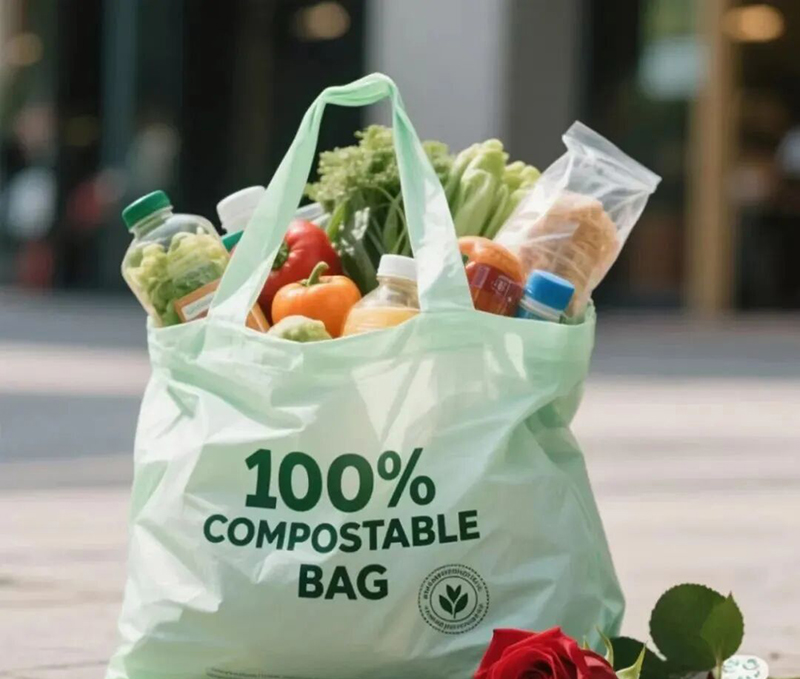
Membranes: the higher the proportion of membrane bag materials and PBAT blends (shopping bags, garbage bags, etc.), the more stable the mechanical processing performance; The lower the weight of the film bag, the lower the cost; The better the glossiness and feel of the film bag, the stronger the strength; The product has a longer shelf life.
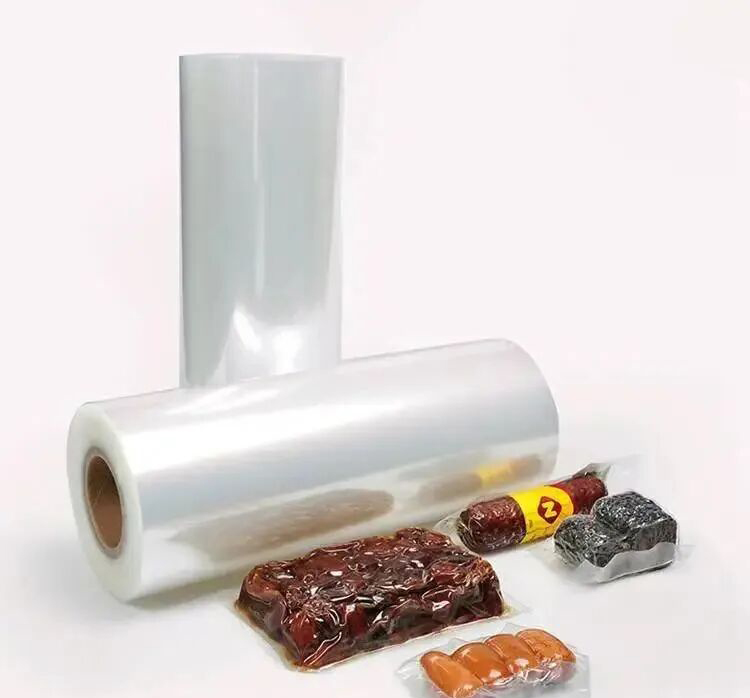
Bi directional stretching die: By adjusting and controlling the raw materials and processes, it can achieve unidirectional or bidirectional stretching, as well as hot cutting sealing function. The product has excellent transparency and display ability, and is widely used in beverage bottle labels, food packaging, tank packaging, and electronic products; It is also a high-quality raw material for biodegradable tape and smoke film. In addition, polylactic acid can also be developed and produced into polylactic acid polyols as raw materials for polyurethane.
Post time: Dec-31-2025