




If you want to enjoy a cup of excellent tea soup in all aspects, then one of the tools for brewing tea – a teapot – has become our tea tasting artifact, helping us better utilize the characteristics of tea leaves in the process of brewing, bringing us unique enjoyment. At the same time, the pursuit of different types of teapots since ancient times has gradually become a teapot culture, adding more fun to our tea life.
However, there are so many types of teapots on the market, and people have different preferences and opinions. So this time, let’s take a look at how to use this magical teapot to become our tea making artifact?
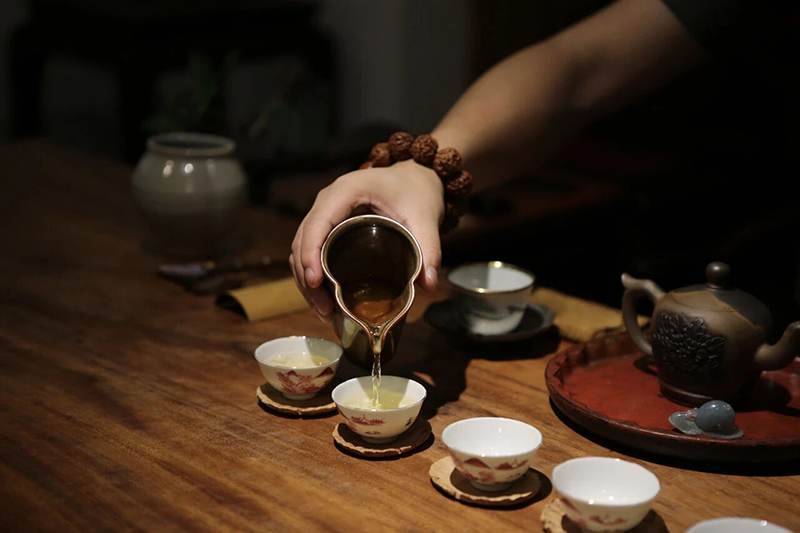
Purple clay teapot/the most famous
When it comes to teapots, the first thing that comes to mind for most people is the purple clay teapot, which has always been very tall and has a long history. Zisha teapot is an excellent representative of pottery tea sets, which had a great reputation as early as the Northern Song Dynasty. Its various shapes were popular during the Ming Dynasty.
Due to the production of purple clay teapots, the firing temperature is around 1000 to 1200 degrees Celsius, resulting in a dense texture that does not leak and has invisible pores that can absorb tea juice. After prolonged use, the color of the purple clay teapot will become more and more natural, and the tea brewed in the teapot will seep into the body, giving the teapot a tea flavor.
Maintenance method: Purple clay teapots are particularly sensitive to grease and unclean environments. If the body and lid of the teapot accidentally slip off, it is also easy to break. Although they are so expensive, it is not advisable to store the purchased purple clay teapots as offerings. If the purchased purple clay teapots are left unused, it will seriously affect their color and is not conducive to their value preservation and appreciation. People who are generally familiar with purple clay teapots will tell you that the life of purple clay teapots exists in the sea of tea. If you cannot serve tea, purple clay will lose its vitality. It can be seen that using tea to nourish teapots is the right way to maintain them.
If you are buying a new purple clay teapot, it is best to first “open the teapot”, separate the lid from the body, put it in a cold water pot, and boil it in white water for about an hour. The specific method is to separate the lid from the body of the pot, put it into a cold water pot, slowly heat it to boil with a gentle fire, and boil it for about an hour. This can release the unfashionable and impurities contained in the pores of the pot body through expansion and contraction.
When drinking tea, you can pour the tea soup onto a purple clay teapot. This way, the tea soup is easily evaporated by the heat of the teapot, and it is also easily absorbed by the surface of the teapot. Alternatively, when cleaning the teapot and tea utensils every day, use the tea residue from the teapot to moisten and wipe the whole body of the teapot. This can not only remove the tea scale and residue marks on the teapot body, but also make the teapot body shiny and shiny after being ground by wet tea leaves. After pouring, washing, and wiping the tea juice over time, the purple clay teapot will become even softer and more beautiful. Also, it is important to note that when brewing different types of tea in one pot, it is best not to mix them together, otherwise the taste of the tea soup will affect each other, which is very unfavorable for drinking.
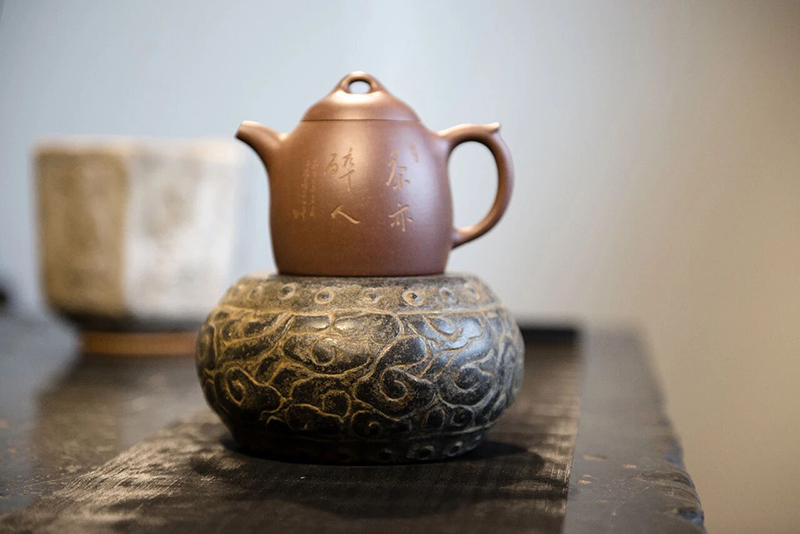
Glass pot/Clear and transparent
In recent years, glass teapots have also become popular among tea enthusiasts. This is closely related to the increasing popularity of “novel” tea drinks such as herbal tea, fruit tea, and tea paste.
For glass materials, because they have no pores and do not absorb the taste of tea, it is very convenient to use them to brew various types of tea without mixing flavors. Especially for brewing “high aesthetic” flower and fruit teas, the fully transparent texture allows people to appreciate the stretching posture of flowers, plants, and fruit grains during the brewing process, giving it a strong artistic atmosphere. The same is true for tea paste. Use a glass pot to slowly dissolve a piece of essence tea paste, let the tea color slowly diffuse in the water and gradually merge into one, becoming a beautiful maroon. The pure tea soup is very beautiful. Put a small candle under the pot to slightly maintain the temperature of the tea paste, then you can enjoy a long healthy time.
The requirements for the shape of glass teapots on the market are not high, and the style is not as particular as other teapots such as purple clay teapots. But its quality mainly depends on the texture, which determines the price. There are two types of glass pots on the market: heat-resistant and heat-resistant. The operating temperature of heat-resistant glass is generally “-5 to 70 degrees Celsius”, while the operating temperature of high-temperature resistant glass can be as high as 400 to 500 degrees Celsius, and can withstand an instantaneous temperature difference of “-30 to 160 degrees Celsius”.
If you want to buy a glass pot, it is recommended to purchase a heat-resistant and lightweight high borosilicate glass pot, because although some teas do not require too high water temperature for brewing, glass pots can also be used as tools for brewing tea, which requires higher temperature for brewing tea and water.
However, it should be noted that if you purchase a heat-resistant glass pot, there is usually a corresponding label on the pot, indicating the temperature and range of use. If you find that the nominal heat-resistant glass is capable of withstanding high temperatures but the price is very low when purchasing, you need to consider its authenticity.
Maintenance method: Before the first use, it is best to wash with vinegar or lemon juice. After brewing tea, rinse with warm water first, then place the pot upside down on a flat clean cloth, allowing the water to flow naturally and air dry to avoid leaving water marks. If not used for a long time, avoid placing the pot upside down in the storage cabinet, as this can easily accumulate unclean or stale odors.
Silver pot/luxurious and atmospheric
Metal is a representative of sturdy materials, and in tea sets, silver pots are also one of them. The pure silver handmade silver pot not only has exquisite craftsmanship, but also shines brightly and has a luxurious and elegant texture, showing a noble and elegant temperament. It can present the luxurious and gorgeous nature of gold and silver, and has noble artistic appreciation value. In history, this precious treasure made of rare and precious metals, often customized for the royal family, has exquisite craftsmanship. These traditional techniques have been passed down and are vividly reflected in silver pots, becoming an extremely special category in tea sets.
In terms of efficacy, silver pots release silver ions, which have the function of sterilization and disinfection. According to research, one liter of water contains only one fifty billionth of silver ions, which is enough to make bacteria unable to survive. Drinking water stored in a silver pot can last for several months without spoilage. Silver ions can not only kill more than 60 harmful bacteria such as Escherichia coli and typhoid bacilli, but also promote detoxification and health preservation in the human body, accelerate metabolism, and enhance the ability to resist diseases. Silver ions can also balance the central nervous system of the human body, achieving the effect of clearing thoughts and calming the mind. Moreover, utilizing the conductive and heat conducting functions of silver can quickly unblock the blood vessels and biological circuits of the human body, rapidly alleviate local pain, and treat various diseases in the brain, joints, organs, and other areas where electricity and heat are concentrated.
Therefore, using a silver pot to boil water can make the water softer and thinner, just like the ancient saying ‘if it were silk water’, which means that the water is soft, thin, and smooth like silk. In addition, the silver pot itself is clean and odorless, and its thermochemical properties are stable, not easy to rust, so even when used to brew tea, it will not let the tea soup be contaminated with odors.
Maintenance method: After each use, dry off the water and gently wipe with a soft dry cloth. Silver tea sets will turn black after prolonged use, which is a sign of high silver purity and does not affect normal use. If there is discoloration or dirt during use, use a silver cloth or silver powder to gently polish. However, due to the soft hardness of silver, it is prone to deformation or scratches if subjected to compression or impact from hard objects, so special attention should be paid during maintenance.
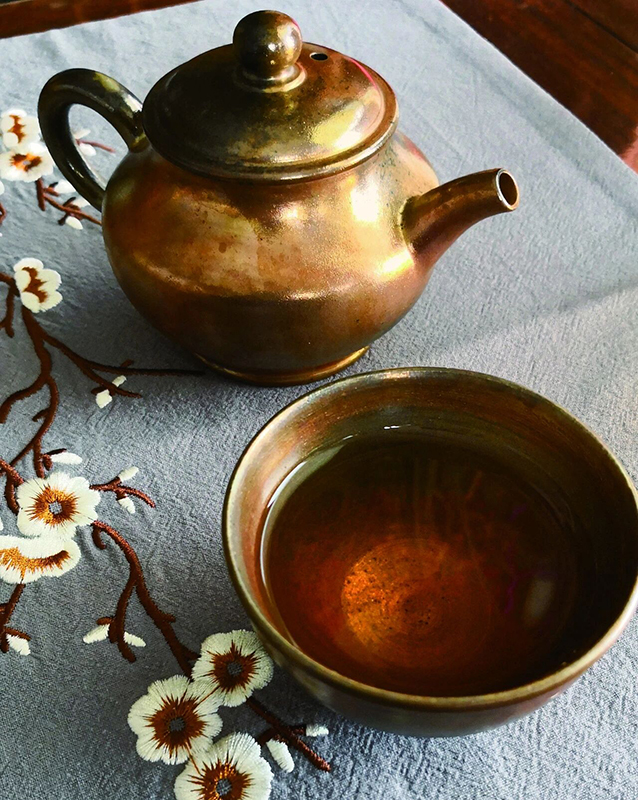
Cast iron pot/artistic health preservation
Iron pot culture first became popular in Japan and can be traced back to the Edo period, with a history of hundreds of years. Nowadays, it is gradually becoming popular in the domestic market. Most of the cast iron pots available on the market, except for those imported from Japan, are manufactured in Taiwan or mainland China. The cast iron pots on the market mostly adopt traditional patterns such as small grids, dragon armor, line patterns, cherry blossoms, etc. from southern Japanese ironware, with simple coloring and delicate and antique patterns. Cast iron pots are divided into handmade and mold made, and the prices of the two can vary greatly due to the complexity of the process, ranging from a few hundred yuan to tens of thousands of yuan.
The reason why cast iron pots have attracted the attention of tea lovers is not only because of their special artistic value, but also because they have health benefits for the human body. When boiling tea, iron pots release divalent iron ions that are easily absorbed by the human body due to the burning of the flame, playing a certain role in supplementing iron. Meanwhile, some theories also suggest that iron components make water more flexible and restore the aroma of tea. Iron pots may also increase the boiling point of water. For teas that require high temperature brewing, such as Pu erh tea, especially Pu erh aged tea, as well as in high-altitude and low-pressure areas, iron pots are very suitable and are the best boiling tool for experienced tea enthusiasts.
Maintenance method: Usually, tea leaves are not directly placed in cast iron pots for brewing, but are used to improve water quality before brewing tea. Cast iron pots should also be used frequently. When the pot is still warm, wipe it with a tea towel. Over time, the outside of the pot will emit a natural luster.
Post time: Dec-12-2025